Honey Jones: A Natural Handwritten Font for Makers
The afternoon light was streaming across my worktable, illuminating a stack of cream-colored cardstock and a half-empty jar of beeswax. I was in the middle of designing labels for my small-batch candle line, trying to find just the right words to describe the scent profile without sounding generic. My cursor hovered over the font selection menu, cycling through dozens of options that felt either too stiff or overly decorative. Then, I found Honey Jones. The moment I typed "Golden Hour" into the text box, the screen seemed to soften. It wasn't just a digital file; it felt like someone had actually picked up a pen and written it with care. That instant connection is what makes this Script Amp typeface so special for anyone creating handmade goods.
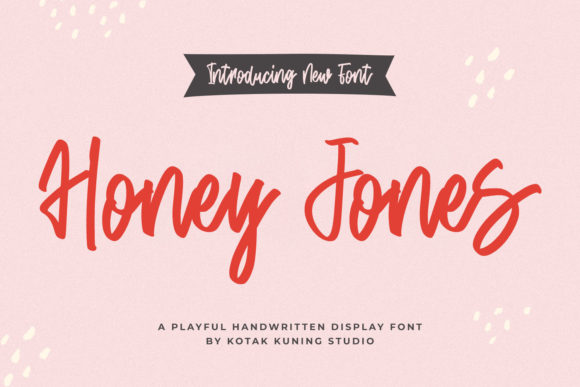
In the world of crafting and small business, typography is often the silent salesperson. Before a customer reads your description or sees your price, they see your design. Honey Jones brings an authentic, natural charm that instantly elevates product presentation. Unlike rigid, geometric sans serif fonts that can feel cold on a rustic label, this handwritten font mimics the fluidity of real ink. It has a slight imperfection, a gentle sway, and a warmth that resonates deeply with audiences looking for genuine, artisanal products. When I applied it to my candle mockups, the perceived quality of the entire brand shifted. The packaging no longer looked mass-produced; it looked personal, crafted by hand, and full of heart.
Bringing Your Designs to Life with Authentic Typography
The true magic of Honey Jones lies in its versatility across various handmade mediums. Whether you are cutting vinyl for a custom tote bag, printing greeting cards at home, or designing digital downloads for Etsy, this font adapts beautifully. I recently tested it on a series of birthday invitations for a local client. The request was for something "whimsical but readable." Using Honey Jones for the main heading gave the invitation a celebratory, joyful energy, while the body text remained clear when paired with a simple serif font.
This display font shines particularly well on short phrases, names, and titles. It is not intended for long paragraphs of dense text, where readability might suffer due to the intricate loops and flourishes typical of script fonts. Instead, think of Honey Jones as the highlighter in your design toolkit. Use it for:
- Candle and soap labels: Where the name of the scent needs to pop against a textured background.
- Greeting cards and wedding stationery: For "Save the Date" headers or heartfelt closing messages.
- Boutique tags and packaging: Adding a touch of elegance to thank-you notes and gift boxes.
- Seasonal signs: Farmhouse-style decor pieces that welcome guests during holidays.
- Digital printables: Planner pages, wall art, and social media graphics that need a human touch.
When I started using Honey Jones for my sticker sheets, I noticed a significant difference in how customers engaged with the listings. The font made the stickers look more premium, suggesting that they were part of a cohesive collection rather than random clipart. This consistency in brand identity is crucial for growing a loyal following. Customers begin to recognize your style, associating that specific handwritten aesthetic with the quality and care you put into every item.
Mastering Readability and Design Pairings
While Honey Jones is visually stunning, practical application requires attention to detail, especially when working with cutting machines like Cricut or Silhouette. One lesson I learned early on was to test the font size before committing to a large batch of cuts. On very small stickers, the delicate strokes of a script font can sometimes get lost or clog the weeding process. I recommend keeping the font size above 10 points for physical merchandise to ensure clean lines and crisp edges. For digital previews and listing images, however, you can experiment with larger, bolder applications to showcase the personality of the typeface.
Another key aspect of successful design is font pairing. Honey Jones works best when balanced with a neutral companion. Because it is such a expressive, creative font, it needs a partner that lets it breathe. A clean sans serif font is often the ideal choice for body copy, providing a modern contrast that enhances readability. Alternatively, a classic serif font can add a touch of traditional elegance, perfect for wedding invitations or formal event signage. Avoid pairing it with another heavy script or highly decorative font, as this can create visual clutter and make the design feel chaotic.
For example, on a recent set of planner inserts, I used Honey Jones for the monthly headers and a minimal sans serif for the daily tasks. The result was a layout that felt organized yet inviting. The handwritten elements added a personal note, making the user feel like they were planning their day with a friend rather than filling out a spreadsheet. This emotional appeal is exactly what drives engagement in the creator economy.
Technical Details and Commercial Licensing
Before integrating any new design asset into your shop materials, it is essential to understand the technical specifications and licensing terms. Honey Jones comes equipped with features that give designers flexibility, including alternates, ligatures, and swashes. These extra characters allow you to customize the look of your text, preventing repetition and adding unique flourishes to specific letters. Always check the included file formats to ensure compatibility with your software, whether you are using Adobe Illustrator, Canva, or Procreate.
Perhaps the most critical consideration for makers is the commercial license. As a seller of physical products or digital downloads, you must ensure that the font you choose allows for commercial use. Honey Jones is designed with creators in mind, offering a license that covers the creation of merchandise, templates, and printable files. However, always review the specific End User License Agreement (EULA) provided with your purchase. Some licenses may have restrictions on embedding the font in web designs or selling the font file itself alongside your products. Understanding these boundaries protects your business and ensures you are respecting the intellectual property of the type designer.
Multilingual support is another factor to consider if your audience extends beyond English speakers. Check if the font includes the necessary character sets for your target market. If you plan to create seasonal products for international clients, having a robust character set will save you from awkward design compromises later on.
Elevating Your Creative Workflow
Incorporating Honey Jones into your workflow has transformed how I approach my design projects. It bridges the gap between digital precision and the organic feel of hand-lettering. Whether you are wrapping a gift, designing a logo for your new boutique, or creating a set of holiday tags, this font adds a layer of authenticity that resonates with buyers. It tells a story of care, creativity, and attention to detail.
As you continue to build your brand, remember that your typography choices are a reflection of your values. Honey Jones offers a warm, stylish, and versatile option for those who want their products to stand out in a crowded marketplace. By focusing on readability, thoughtful pairings, and proper licensing, you can leverage this beautiful script font to create memorable experiences for your customers. So, grab your mouse, open your design software, and let your creativity flow with the natural charm of Honey Jones.